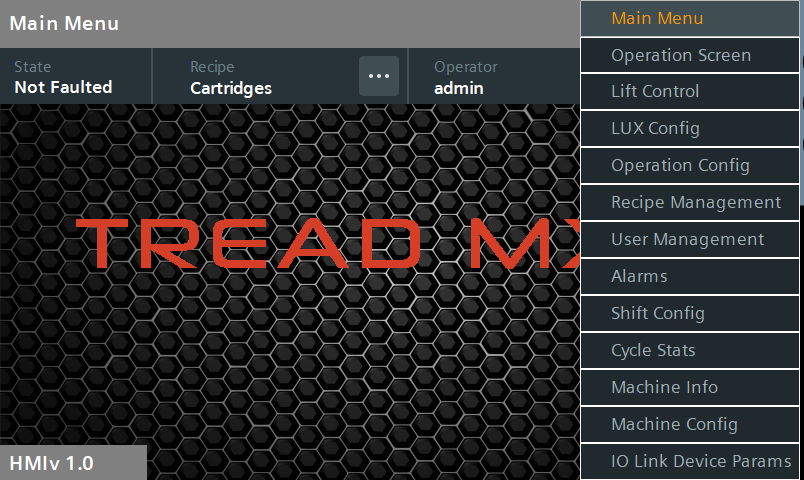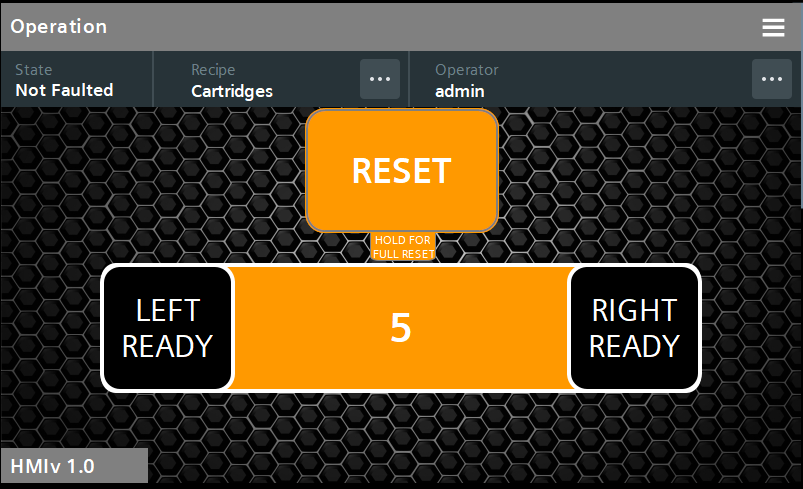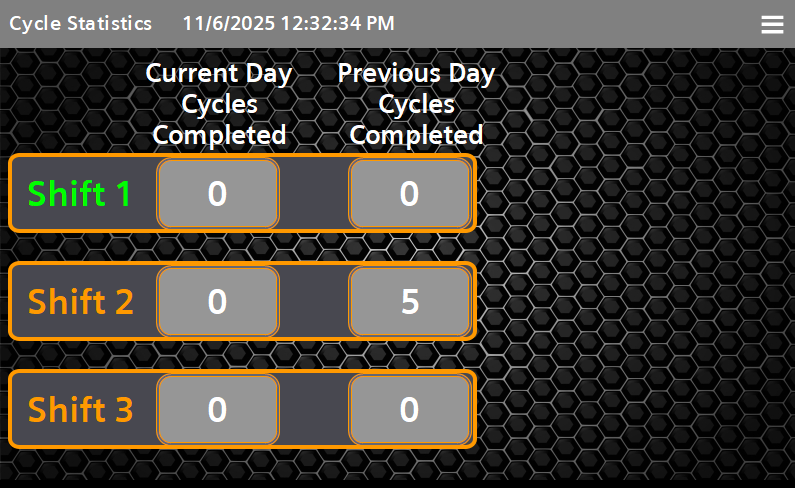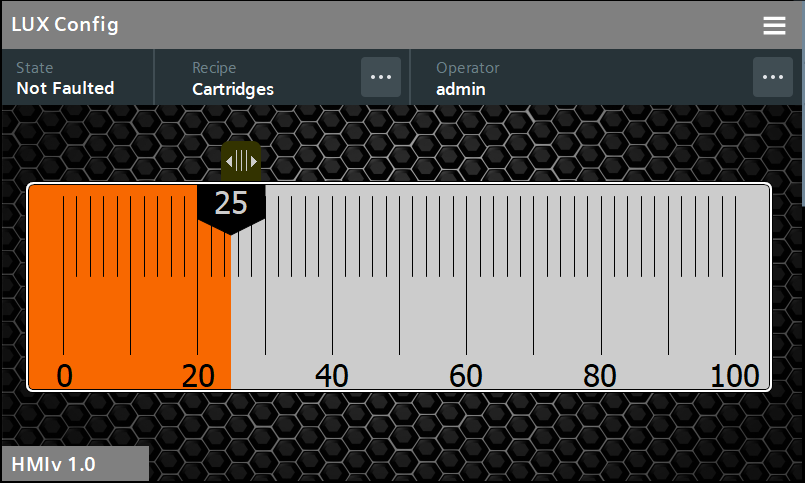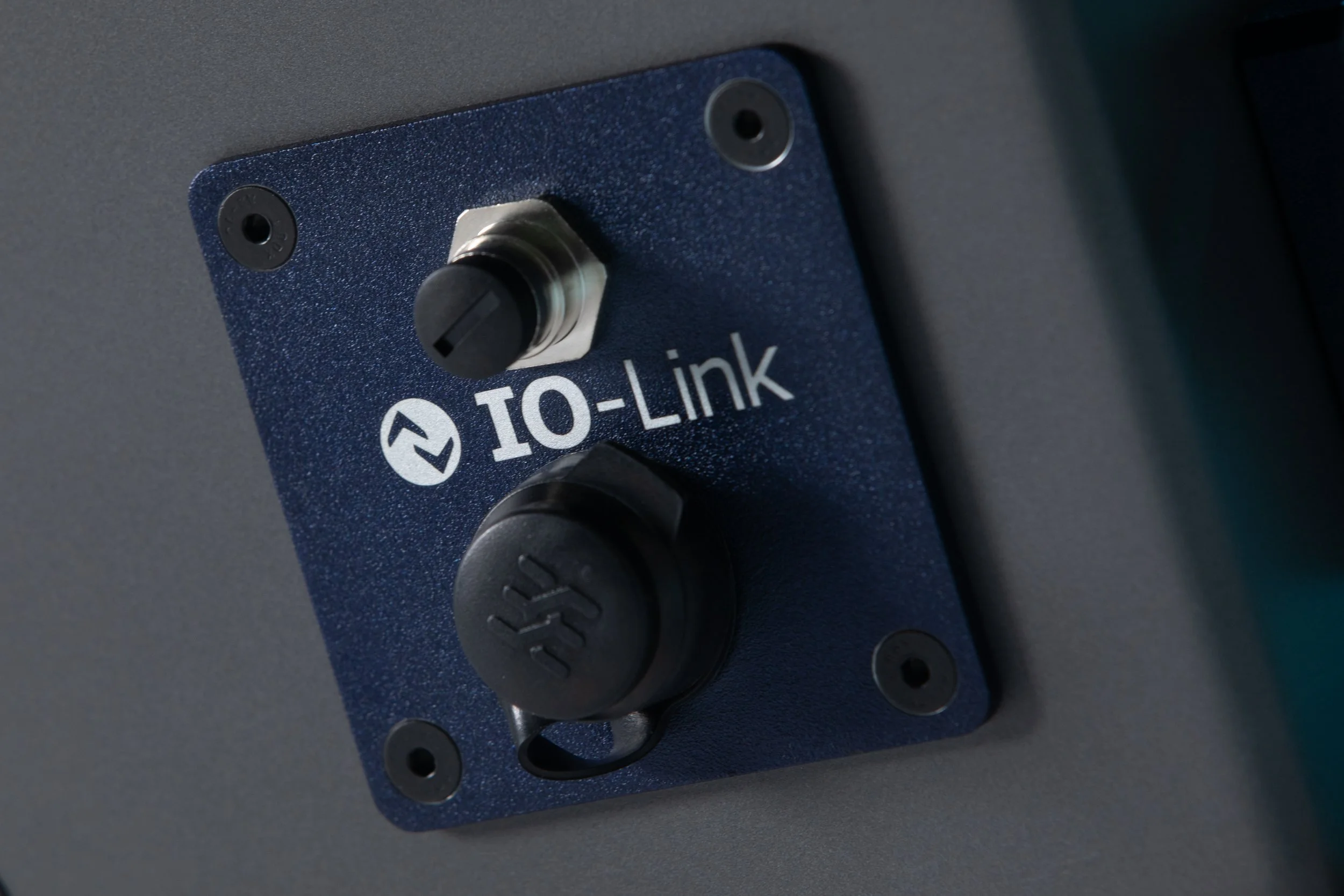
Tread MX Pacing Console powered by I-O Link
Benefits of I-O LINK with Manual Visual Inspection
I‑O Link pacing gives pharmaceutical manufacturers something they rarely get in manual visual inspection: tight, repeatable control over how product moves through the inspection zone. By synchronizing operator motion, inspection lighting, and operator workflow through a deterministic digital signal, manufacturers eliminate the variability that comes from manual pacing or inconsistent mechanical timing. This creates a stable rhythm that helps inspectors maintain visual acuity, reduces cognitive load, and ensures each unit receives the same exposure time under the inspection hood’s illumination. In a process where milliseconds of viewing time can determine whether a defect is caught or missed, that consistency becomes a real quality advantage.
The second major benefit is throughput stability. Manual inspection lines often suffer from micro‑stoppages, uneven container spacing, and operator‑driven surges that disrupt flow. I‑O Link pacing smooths these fluctuations by coordinating sensors, reject devices, and operator movements so production maintains a predictable cadence. That predictability reduces inspector fatigue—because the work becomes more rhythmic—and it minimizes the risk of bottlenecks that can force operators to rush or fall behind. The result is a more balanced line that protects both inspection accuracy and daily output targets.
Finally, I‑O Link pacing strengthens data integrity and audit readiness, which matters enormously in regulated environments. Because I‑O Link devices communicate digitally, manufacturers gain traceable, timestamped records of pacing signals, inspection triggers, reject activations, and equipment states. This supports ALCOA+ principles by ensuring inspection events are attributable, contemporaneous, and complete. When paired with an audit‑trail‑enabled inspection system, the pacing data helps reconstruct exactly how each batch moved through the inspection station—an invaluable asset during investigations, deviations, or regulatory audits.